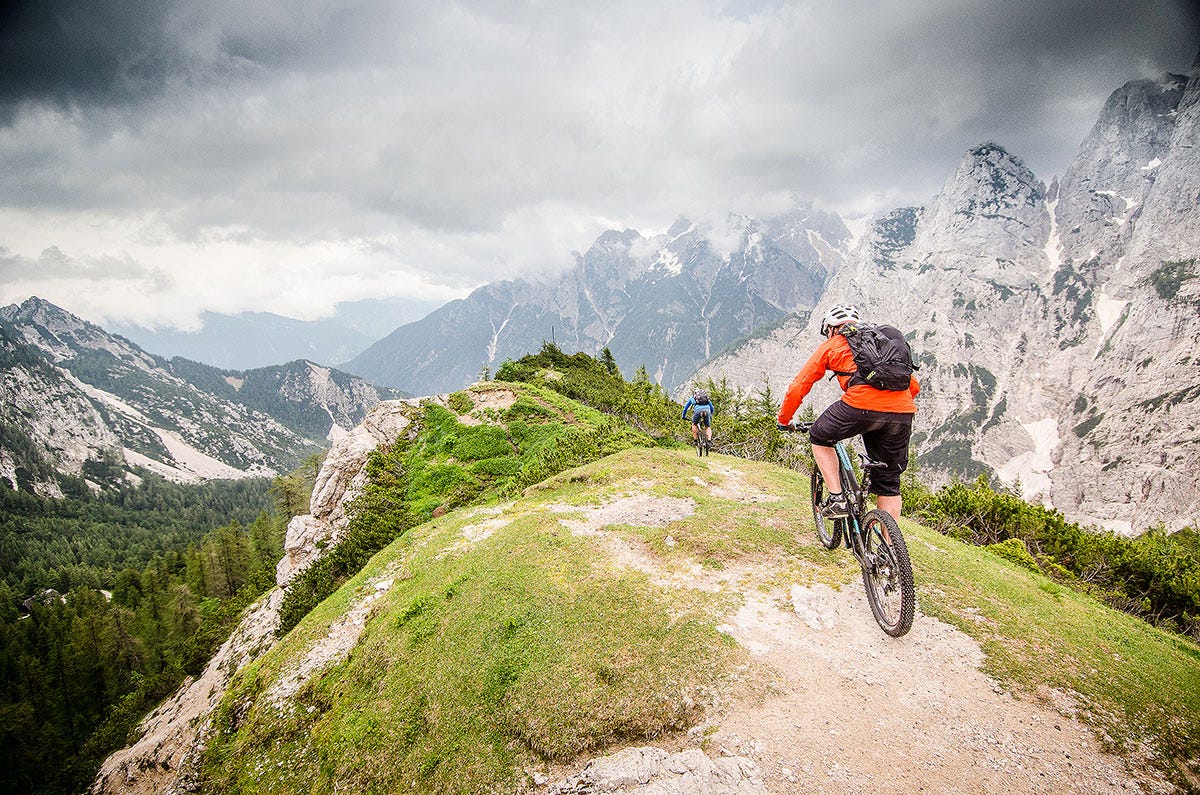
Gravel biking has rapidly grown from a recreational pastime to a globally recognized sport, according to Steven Rindner. Its popularity stems from the appeal of rugged terrains and the sense of adventure it brings. Yet, as organized gravel biking events expand, their ecological and community impacts demand closer examination. The sustainability of these events depends not only on trail management but also on responsible engagement with local communities and ecosystems.
Gravel biking events often traverse rural or semi-wild landscapes. These areas are valued for their scenic beauty and biodiversity. However, repeated use of trails can cause gradual environmental degradation. The challenge lies in balancing sport enthusiasm with ecological preservation.
Environmental Considerations
Every gravel biking event interacts with the natural environment. The impact, though often minimal on a small scale, becomes significant with recurring events or large participant numbers.
- Trail Erosion and Soil Compaction
The movement of hundreds of bicycles over unpaved trails can compact soil and damage root systems. This leads to reduced water absorption and increased surface runoff. In regions with fragile topsoil, erosion accelerates, altering the natural landscape and disturbing native vegetation. - Wildlife Disturbance
Many gravel routes pass through habitats of sensitive species. Noise, movement, and crowd presence can disrupt feeding or breeding patterns. For migratory birds, such disturbances may even affect nesting success rates. Responsible route planning and limited event frequency are crucial in mitigating these effects. - Waste and Litter Management
Despite the eco-friendly perception of cycling, waste generation during events remains a problem. Improper disposal of plastic bottles, energy bar wrappers, or tire tubes can harm the ecosystem. Organizers must enforce strict waste policies, including “pack-in, pack-out” rules and designated recycling stations.
Community and Economic Impacts
Gravel biking events often serve as catalysts for rural development, according to Steven Rindner. Small towns benefit from tourism, while local businesses gain visibility. Yet, community relationships must be managed with care.
- Economic Revitalization
Hosting events draws visitors, increasing demand for lodging, food, and local products. This influx of tourism can revitalize rural economies, particularly in underdeveloped regions. However, short-term economic boosts should not outweigh long-term sustainability goals. Communities benefit most when local partnerships are established, ensuring income circulation within the region.
- Cultural Respect and Social Integration
Events crossing indigenous or heritage-rich territories require sensitivity. Organizers must engage with residents beforehand to gain consent and understanding. Cultural landmarks should be protected from crowding and littering. Such collaboration promotes mutual respect and strengthens the bond between riders and hosts.
- Infrastructure Strain
Temporary increases in visitors can strain rural infrastructure. Roads, sanitation systems, and emergency services may not be designed for large gatherings. Effective event planning includes logistical coordination with local authorities to prevent disruption.
Sustainable Practices and Future Outlook
Sustainable gravel biking depends on collective accountability. Riders, organizers, and local communities share equal responsibility in preserving both the environment and the spirit of the sport.
- Eco-conscious Event Design
Selecting routes with minimal ecological sensitivity is essential. Pre-event environmental assessments help identify vulnerable zones. Some organizers adopt rotational routes, allowing ecosystems time to recover between events.
- Volunteer and Education Programs
Integrating environmental education into events encourages long-term awareness. Volunteer clean-up drives or trail maintenance programs before and after races reinforce community stewardship.
- Carbon-neutral Operations
The introduction of carbon offset initiatives can reduce overall emissions. Encouraging carpooling, using renewable energy for event setups, and sourcing local products help minimize carbon footprints.
Sustainability in gravel biking is not an ideal—it is a necessity. Without proactive measures, the natural allure that defines the sport risks depletion, as per Steven Rindner. A harmonious balance between adventure and conservation ensures that future generations can continue to experience the raw beauty of gravel trails. The sport’s future lies in its participants’ ability to respect the land, uplift communities, and ride with purpose.