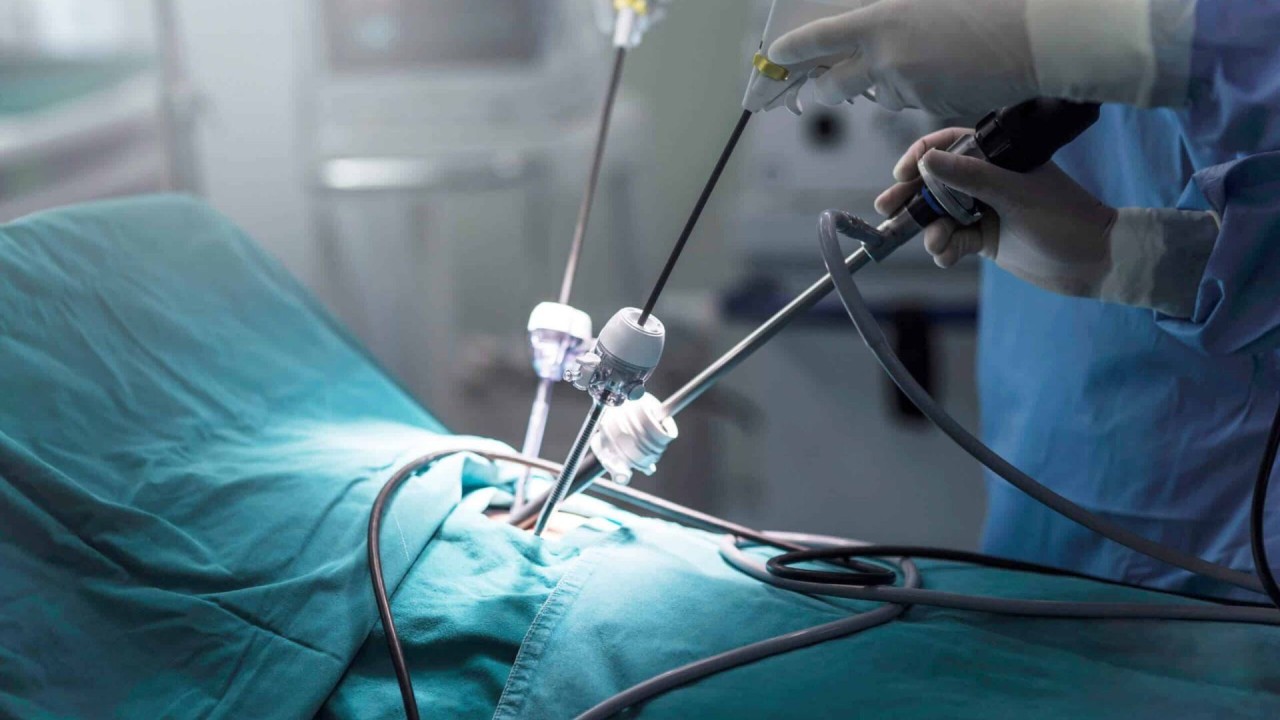
When an athlete or active adult faces a spinal condition, the pressure to make the right decision about surgery is significant. The traditional approach to spine surgery can be daunting due to the long recovery times, potential complications and risks associated with invasive procedures. However, with the advancement of robotic spine surgery, many patients are finding a less invasive option. Dr. Larry Davidson, a leader in minimally invasive spinal surgery, helps patients understand the benefits and limitations of robotic spine surgery, making it an attractive option for many individuals.
Choosing robotic spine surgery requires careful consideration of your specific condition and goals. Whether you’re an athlete trying to return to peak performance, an active adult aiming to regain mobility or a parent seeking a solution for a child, it’s essential to know if robotic surgery is suitable for your particular needs. Here are some key questions you should ask your surgeon to help assess whether robotic spine surgery is the right choice for you.
1. What Are the Benefits of Robotic Spine Surgery for My Specific Condition?
The first question to ask your surgeon is how robotic spine surgery might be applied to your specific condition. Robotic-assisted approaches use advanced imaging and navigation tools to help plan and guide the procedure with a high degree of accuracy. For conditions such as herniated discs, spinal stenosis or scoliosis, this technology can assist with accurate implant placement and may help reduce the risk of complications.
Ask your surgeon how these benefits might apply to your condition, specifically. How does robotic surgery compare to traditional surgery in terms of recovery time and surgical outcomes? For athletes, this question is especially important, as returning to the sport quickly and safely is often the ultimate goal. Surgeons can use advanced 3D imaging and trajectory planning to tailor the surgery to align with your anatomy, and work to protect the surrounding tissues.
2. How Will Robotic Spine Surgery Affect My Recovery Time?
One of the most significant advantages of robotic spine surgery is its potential for a shorter recovery time. Traditional spine surgeries often require a long recovery period, with weeks or even months of rehabilitation. In contrast, robotic-assisted procedures are less invasive, often leading to smaller incisions, reduced blood loss and less damage to surrounding tissues.
It’s important to discuss your expected recovery time with your surgeon. How soon can you expect to return to light activities or sports? Surgeons can give you a clearer picture of what to expect, but understanding the timeline is crucial, especially for athletes who need to plan their return to competition.
3. What Are the Risks and Potential Complications of Robotic Spine Surgery?
While robotic spine surgery offers many benefits, it’s essential to understand the potential risks. Every surgery carries risks, and although robotic systems reduce human error and improve accuracy, complications can still arise. Risks can include infection, bleeding, nerve damage or problems with implant placement. However, robotic spine surgery typically reduces the likelihood of these issues compared to traditional surgery, thanks to its high precision and minimized invasiveness.
Knowing the risks involved is vital for athletes and active adults because certain complications could impact their ability to perform at their best after recovery. Your surgeon should be able to explain how the precision of robotic surgery helps minimize these risks, as well as the steps they will take to ensure the surgery is as safe as possible.
4. How Do You Determine If I Am a Good Candidate for Robotic Spine Surgery?
Not every patient is a candidate for robotic spine surgery. Your surgeon will consider several factors, including the severity of your condition, your overall health and any previous surgeries you may have had. Some medical conditions, such as osteoporosis or certain neurological issues, might make you less suited for robotic surgery. If your injury is overly complex, traditional surgery may be more appropriate.
It’s crucial to have a full evaluation to assess whether robotic surgery is suitable for your specific case. Surgeons typically use a combination of diagnostic tools, including X-rays, MRIs and CT scans, to determine the most appropriate treatment. Ask your surgeon how they assess your suitability for robotic surgery, and what factors might influence their recommendation.
5. Will Robotic Spine Surgery Help Me Achieve My Athletic or Performance Goals?
For athletes, the primary concern after surgery is likely how quickly and effectively they can return to their sport after surgery. Robotic spine surgery offers the potential for a faster and safer return to athletic activities due to its precision and reduced recovery time. However, it’s important to understand how the surgery will directly affect your performance.
For athletes with specific performance goals, the ability to return to peak performance is essential. A thorough understanding of how robotic surgery affects your ability to return to your sport will help you make an informed decision about whether it’s the right approach. Ask your surgeon whether robotic spine surgery might be right for you.
6. How Experienced Is the Surgical Team with Robotic Spine Surgery?
The skill and experience of the surgical team are critical to the success of robotic spine surgery. While technology offers incredible benefits, it is ultimately the surgeon’s expertise in utilizing the robotic system that determines the best outcome.
Robotic surgery requires coordination and collaboration between the surgeon, surgical assistants and robotic system operators. Make sure the team is experienced and well-trained in using the technology to ensure a smooth and successful procedure.
7. What Should I Expect During and After the Surgery?
It’s important to have a clear understanding of what will happen before, during and after the surgery. Robotic spine surgery is typically less invasive, which means you may spend less time in the hospital and experience less pain. However, it’s essential to ask your surgeon about the specifics of your surgery. How long will the procedure take? What are the expectations for your immediate recovery?
The timeline for returning to activities is essential for athletes. Ask about the specific rehabilitation steps and how soon you can start training again. Surgeons can provide a recovery plan, but understanding the full scope of your recovery process is key to a successful outcome.
Making the Right Decision for Your Spine Surgery
When considering robotic spine surgery, it’s important to ask the right questions to ensure it’s the right decision for your condition and goals. By discussing the potential benefits, risks and recovery times with your surgeon, you can better understand whether robotic surgery aligns with your needs. Dr. Larry Davidson advises that by collaborating closely with your surgeon and considering these key questions, you can make an informed decision that supports your long-term recovery and performance goals.
Robotic spine surgery has the potential to reduce recovery times and improve surgical precision, making it a promising option for those seeking a quicker return to their active lives. Having a well-informed conversation with your surgeon will provide clarity on whether robotic spine surgery is the best path forward for you.